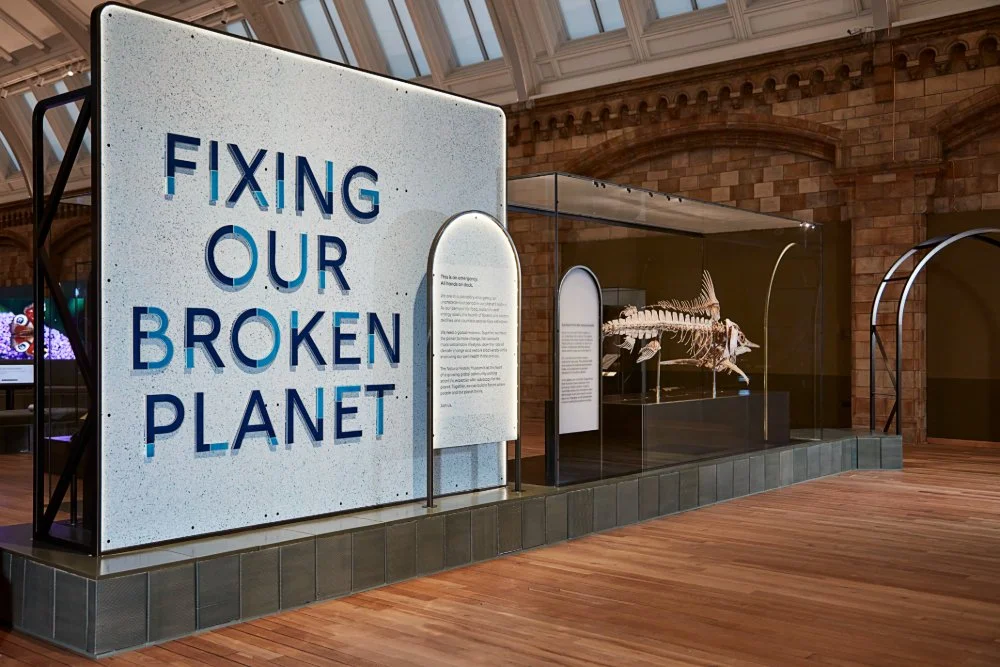
Image Credit: Fixing Our Broken Planet, Natural History Museum
Culture sector urged to lead the national conversation on climate change through storytelling
New research released today (30 January 2026) from the Cultural Philanthropy Foundation shows that British people want to see more climate change content in arts and culture.¹ It also reveals a society that cares more about the climate crisis than it’s given credit for, and is eager to see more climate storytelling from cultural organisations.
With trust in government, big business, and politics under strain², this presents an opportunity for museums, galleries, theatres, and cultural venues as trusted places to help people make sense of change.
The research reveals broad support for more climate change content within culture when it’s ‘done well’³— whilst also making space for cultural organisations that are yet to meet their own sustainability goals.⁴
The new report is part of Climate Outreach’s Britain Talks Climate & Nature series, which we produced in partnership with Climate Outreach and Wellcome. The research finds:
• Audiences want cultural leadership on climate change. Across society, people want and expect climate to be talked about in what they watch, visit and enjoy.⁵
• People care more than you think. Most people said they’d like to see more climate content in culture - especially if it focuses on solutions, community action, and local benefits, and with less onus on individual action.⁶
• Perfection not required, and honesty welcomed. People agree that organisations, including museums, galleries and theatres, can and should show climate content - even if they’re still on their own sustainability journey.⁴
• Local life, nature and health drive empathy. People care most about climate impacts close to home that affect nature, health and the poorest households.⁷
The research is a rallying cry for creatives and the industry at large to step up their climate storytelling to meet rising demand. It recommends how to frame climate and nature stories in ways that resonate with British people across the board—for instance, by showing more of what’s working, and being from the perspective of authentic and diverse voices already taking action.
Based on More in Common’s seven British segments,⁸ the research offers guidance on how to cater to different audience tastes depending on their values.
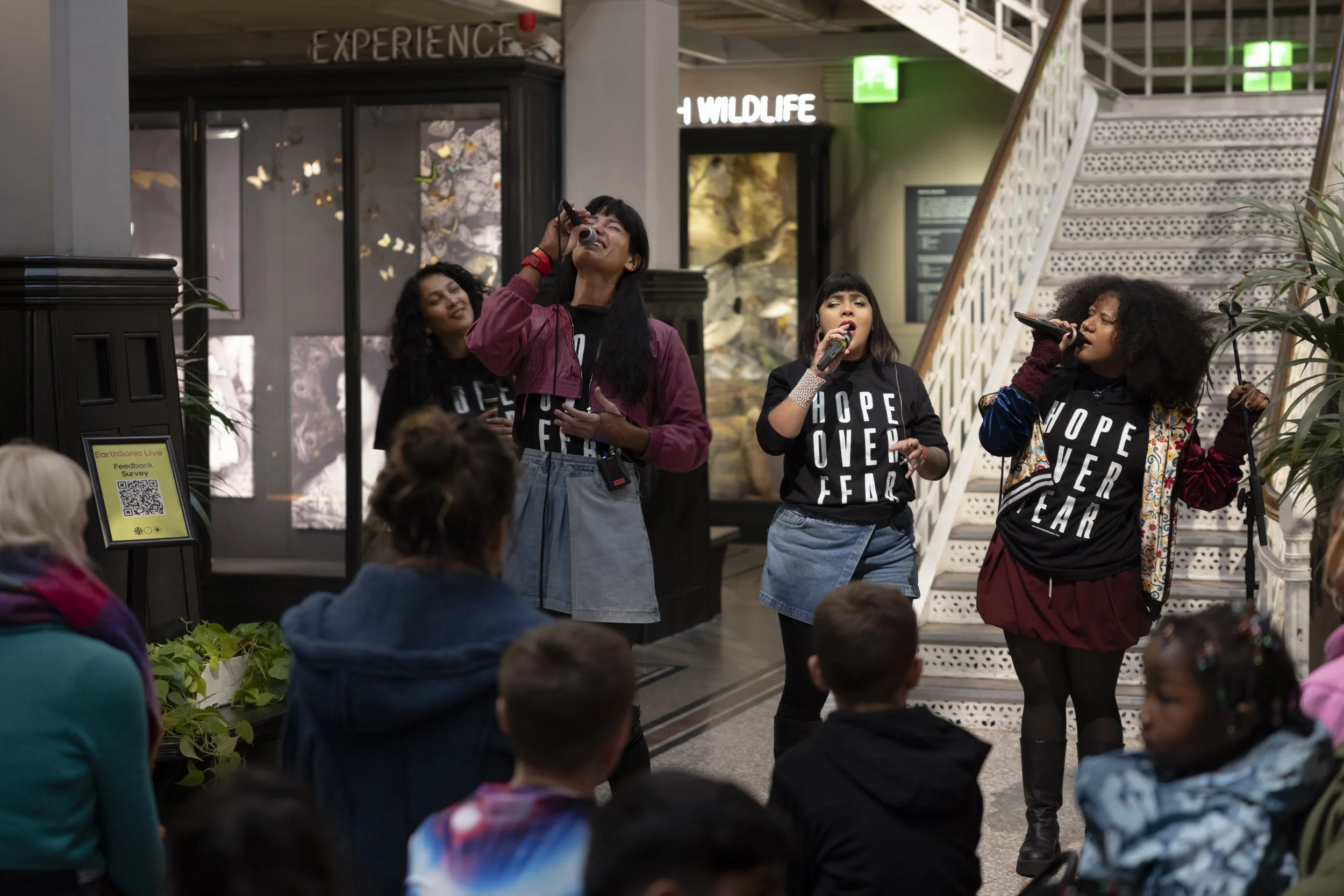
Image Credit: EarthSonic Live, Manchester Museum, David Oates
“This research makes it clear that audiences are looking to culture for leadership in the climate crisis. It should give cultural organisations real confidence to step forward; museums, theatres, galleries and others have a huge opportunity to help people make sense of the climate crisis, and we now know that audiences value progress over perfection.
At the Cultural Philanthropy Foundation we believe that cultural organisations can lead powerful conversations that connect climate change to everyday life, even while they’re still on their own sustainability journeys. Now is the moment to be brave, and to use culture’s trusted voice to inspire hope and action in the face of the biggest challenge of our times.”
- Rose Goddard, Director at
Cultural Philanthropy Foundation
“Climate change is already affecting people’s lives, and raising public awareness is crucial to driving meaningful action. It’s encouraging to see that audiences want cultural organisations to engage with climate and health issues - and trust them to do so. With this insight, we can now mobilise the arts and culture sector’s unique storytelling power to bring to life the real, human impacts of the climate crisis in clear and compelling ways.”
- Sian Bird, Head of Creative and Cultural Advocacy at Wellcome
“We’re a nation of TV lovers, and most of us care about climate change—but most people aren’t noticing this concern being addressed in the shows they watch or the exhibitions they visit. This appetite for more solution-focused stories that link to our everyday lives presents an incredible opportunity. We hope these insights give the culture and creative industries the confidence to tune into audiences' needs, and tell stories that speak to climate and nature action in new and exciting ways.”
- Rachael Orr, CEO at
Climate Outreach
Research references
Across seven focus groups (one for each of More in Common’s Seven Segments of Britain) there was consistent willingness and appetite for more climate content in culture.
Nine in ten Britons (87%) say that they have little to no faith in politicians (Shattered Britain (More in Common, 2025)). We asked if attributes made someone more or less likely to trust them to speak about climate change, Net -51% were more likely to trust a politician (7% more likely - 58% less likely), net -29% were more likely to trust an executive for an energy company (15% more likely - 44% less likely).
Support for more climate content was present across focus groups with all values segments as long as it’s ‘done well’. There is variety in what ‘done well’ means to different audiences: some segments felt climate change should appear as hard hitting real life examples whilst others tended towards more subtle integration.
Focus groups with all values segments agreed that creative and cultural organisations such as broadcasters, art galleries, museums and theatres don’t need to be perfect themselves in order to explore sustainability in content.
40% or people want to see climate change mentioned more frequently in entertainment programmes on TV (not including news or documentaries), versus 29% who want to see less.
Focus groups across values segments shared strong agreement on the need to feature people taking constructive action on climate, especially from those with the most power.
We asked people to select up to three climate impacts they are most worried about over the 10 years. The most frequently given response was harming nature and wildlife (41%), followed by increased risk of flood (27%), impacting children’s futures (25%), causing bills to rise (25%) and increased risk of heatwave (24%).
Shattered Britain (More in Common, 2025).